
A great home theater is not just a big screen in a dark room. It is a carefully considered combination of display technology, sound design, seating, and room acoustics that work together to create an experience genuinely worth choosing over a night out. Getting any one of those elements wrong undermines everything else, and that is exactly why so many home theater setups fall short of the experience their owners were imagining when they started planning.
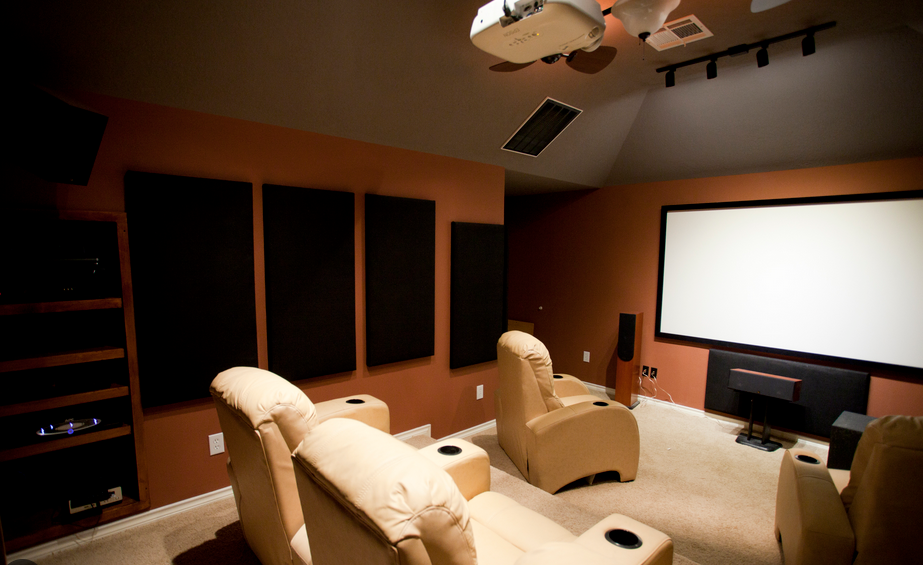
Building the Home Theater Experience You Actually Envisioned
The difference between a home theater that impresses on day one and one that delivers night after night comes down to planning, expertise, and attention to the details most people overlook entirely. Homeowners exploring home theater Frisco options will find that working with an experienced installation team from the very beginning produces results that a last-minute or piecemeal approach simply cannot match.
Screen Size and Viewing Distance Work Together
First and foremost, screen size only delivers the intended impact when it is matched to the viewing distance of the room. A screen that is too large for the space creates a distorted and uncomfortable viewing experience, while one that is too small fails to deliver the immersive quality that makes a home theater feel different from a standard living room setup. Professional installers calculate the optimal screen size based on room dimensions and primary seating positions before any equipment is selected.
Audio Is Where Most Home Theaters Fall Short
Furthermore, the audio system is where the gap between a good home theater and a truly great one is most consistently felt. Surround sound that is improperly configured, speakers placed without regard for room acoustics, or a subwoofer positioned purely for convenience rather than performance produces sound that fills the room without genuinely moving the people in it. Proper speaker placement, calibration, and room treatment are what transform a collection of audio equipment into a system that makes every scene feel viscerally real.
Room Acoustics Affect Everything You Hear
Another dimension that separates professionally designed home theaters from DIY setups is deliberate attention to room acoustics. Hard parallel walls, bare floors, and untreated ceilings create reflections and standing waves that muddy dialogue, blur sound imaging, and reduce the overall clarity of even an expensive audio system. Strategic acoustic treatment through wall panels, area rugs, and diffusion elements dramatically improves the performance of the entire system without requiring a dedicated or purpose-built room.
Professional Installation Protects the Investment You Are Making
Finally, the equipment that goes into a quality home theater represents a significant financial investment that deserves to be installed, configured, and calibrated by professionals who understand how each component interacts with the others. Incorrect installation not only undermines performance but can void manufacturer warranties and create reliability issues that surface long after the initial setup is complete.
Conclusion: Building the Home Theater Experience You Actually Envisioned
To bring it all together, a home theater worth building requires the right screen size for the space, a properly configured audio system, thoughtful acoustic treatment, and professional installation that protects every part of the investment. Each element depends on the others, and getting all of them right is what separates a room with a big screen from an experience that genuinely rivals anything a commercial cinema can offer.
Recent Comments